Review: Dog Face Machine Embroidery Design for Craft Fairs
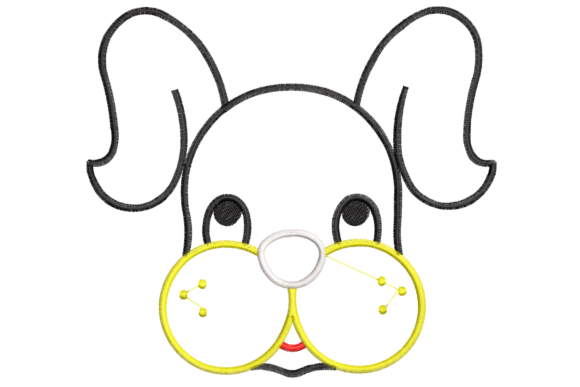
As an embroidery designer who has spent countless weekends behind a booth table, I know that not every digital file translates into a bestseller. When I first loaded the Dog Face Machine Embroidery Design into my software, I was looking for more than just cute aesthetics. I was evaluating its potential as a high-converting craft fair product. The initial impression is one of warmth and approachability. This design does not scream for attention with neon colors or aggressive lines; instead, it invites the viewer in with soft stitching lines that capture the charm and personality of a beloved pet. For sellers targeting the Nursery category or pet-loving demographics, this subtle elegance is often more powerful than bold graphics.
First Impressions and Visual Appeal
The success of any handmade product at a market relies on immediate visual recognition. Customers walk past hundreds of items, and you have mere seconds to catch their eye. This machine embroidery design excels because it balances detail with clarity. The friendly and expressive look of the dog face creates an emotional connection instantly. It feels modern yet timeless, avoiding trendy elements that might date the product quickly. Whether placed on a neutral linen tote or a vibrant cotton apron, the design maintains its integrity. It reads as premium rather than mass-produced, which is crucial for justifying higher price points in a boutique setting.
Versatility Across Product Lines
One of the strongest assets of this embroidery file is its adaptability. In my experience, a single design must work across multiple substrates to maximize return on investment. Here is how I envision using this design in a real-world production scenario:
- Tote Bag Design: Placed centrally on a canvas tote, the dog face becomes a statement piece. The soft stitching contrasts beautifully with the rougher texture of canvas, adding a tactile quality that buyers love to touch.
- Apron Embroidery: Positioning the design on the bib of a kitchen apron creates a charming, homey vibe. It appeals to dog owners who want to showcase their pets while cooking or gardening.
- Tea Towel Embroidery: This is perhaps the most natural fit. The detailed face works well on the corner or center of a flour sack towel. It transforms a simple utility item into a giftable small shop product.
- Embroidered Patch: If the scale allows, this design makes an excellent iron-on or sew-on patch. Patches are low-commitment purchases for customers who are browsing but not ready to buy a larger item.
- Pillow Covers and Caps: For curved surfaces like caps, the design needs to be checked for distortion, but on flat pillow covers, it serves as a delightful focal point for a nursery or living room.
Production Practicality for Small Shops
For an Etsy seller or weekend warrior, time is money. A design that requires constant trimming, excessive jump stitch removal, or frequent re-hooping is a profit killer. This Dog Face Machine Embroidery Design appears to be optimized for efficiency. The description highlights "soft stitching lines," which suggests a manageable stitch density. However, practical judgment is required. Before running a batch of fifty units, you must test the design on your specific machine.
Batch production relies on consistency. If the design has dense areas that cause puckering on lightweight fabrics, it will slow down your workflow. I recommend starting with a medium-weight cotton or linen blend. These fabrics provide enough stability for the stitches to sit flat without requiring heavy-duty cut-away stabilizers that add bulk and cost. For textured towels, ensure the needle size is appropriate to penetrate the loops without breaking threads.
Technical Considerations and Careful Use
While the design is user-friendly, there are technical nuances to consider to ensure a professional finished product. First, evaluate the thread colors. Since the design features a detailed face, contrast is key. Using monochromatic threads might lose the expressive features, while high-contrast combinations can make the eyes and nose pop. Always stitch out a test sample on your intended fabric to check for registration issues.
Pay close attention to the hoop size requirements. If the design is large, ensure your hoop can accommodate it without distorting the fabric edges. For smaller applications, such as on a pocket or a baby onesie, verify that the tiny details do not merge together. Dense stitch areas in the fur texture could become a solid blob if the resolution is too low or the fabric is too thick. Additionally, when embroidering on dark fabric, consider using a lighter underlay or adjusting thread shades to maintain visibility.
Another critical factor is the stabilizer choice. For stretchy fabrics like those used in caps or t-shirts, a cut-away stabilizer is non-negotiable to prevent the design from warping after washing. For woven fabrics like tea towels, a tear-away might suffice, but testing is essential to ensure no residue is left behind.
Marketing and Brand Consistency
Beyond the stitching, how does this design support your brand? For creative entrepreneurs, consistency is vital. This Dog Face Machine Embroidery Design fits seamlessly into a brand aesthetic that values warmth, family, and companionship. It enhances booth display strength by creating a cohesive look when paired with other pet-themed or nursery items.
When creating your printable mockup or online listings, use high-quality images that show the texture of the stitches. Buyers of commercial embroidery products want to see the quality of the work. Highlight the "friendly and expressive look" in your product descriptions. Explain how the soft lines capture the personality of the pet, appealing to the emotional side of the buyer. This narrative adds value beyond the physical item, turning a simple embroidered towel into a cherished memory.
Final Designer Notes
Before committing to full production, take these steps:
- Test on Scrap Fabric: Never skip this step. Check for puckering, thread breaks, and color accuracy.
- Check Licensing: Confirm the terms of the digital embroidery file. Ensure you have the right to sell finished products commercially. Most designers allow this, but always read the fine print.
- Create Real Mockups: Photograph the actual stitched item rather than relying solely on digital renders. Real photos build trust with buyers.
- Compare Fabric Colors: See how the design looks on white, cream, gray, and pastel backgrounds to determine your best-selling colorways.
In conclusion, the Dog Face Machine Embroidery Design is a strong contender for any handmade market lineup. It combines emotional appeal with practical producibility. By paying attention to fabric choice, stabilizer type, and presentation, you can turn this digital asset into a standout craft fair product that resonates with customers and drives sales. It is not just about stitching a dog face; it is about capturing a feeling that customers want to take home.