Reviewing Cute Embroidery Pattern for Custom Gifts
As an embroidery designer who spends hours testing digital files before they ever touch a customer’s fabric, I approach every new download with a mix of curiosity and caution. When I recently pulled up the Cute Embroidery Pattern, my goal was simple: determine if this design could hold its own in a busy personalized gift shop. For Etsy sellers, small business owners, and crafters, the difference between a file that looks good on screen and one that sells as a finished product is often found in the details. This review breaks down how this specific graphic performs when translated into thread, focusing on its viability for baby items, wedding keepsakes, and everyday home decor.
First Impressions: Mood and Emotional Appeal
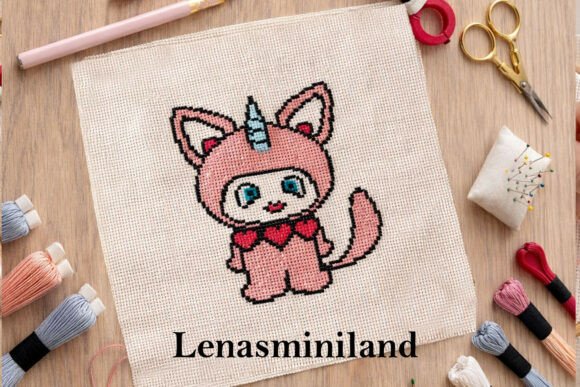
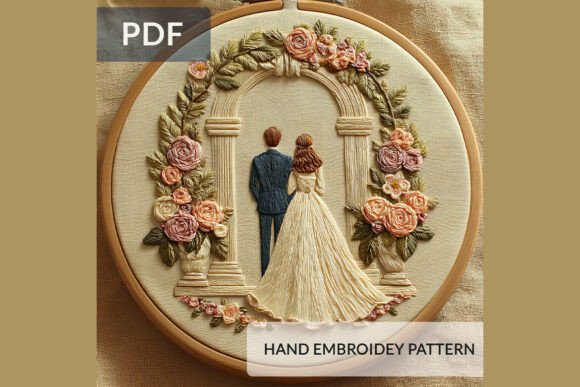
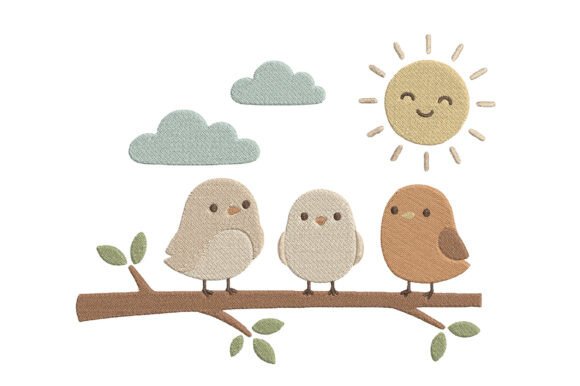
The immediate charm of the Cute Embroidery Pattern lies in its balanced aesthetic. It does not lean too heavily into childish motifs, nor is it starkly modern. Instead, it carries a sweet, handmade quality that feels both playful and elegant. For a designer, this versatility is gold. A design that feels too juvenile limits your market to nursery decor, while something too rigid may not suit the warmth required for a personalized gift. This pattern strikes a middle ground, offering a romantic yet classic vibe that appeals to a broad demographic.
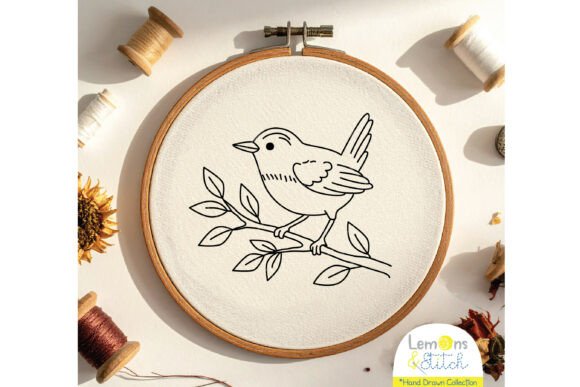
When viewing the PDF, the clarity of the lines suggests that the creator understands the limitations of hand stitching. The details are distinct without being overly complex, which is crucial for maintaining the integrity of the design across different hoop sizes. Whether you are aiming for a whimsical look or a more subdued, traditional appearance, the emotional appeal here is strong. It invites the viewer to imagine the softness of the thread against cotton or linen, creating an instant connection that drives buyer engagement.
Versatility Across Product Categories
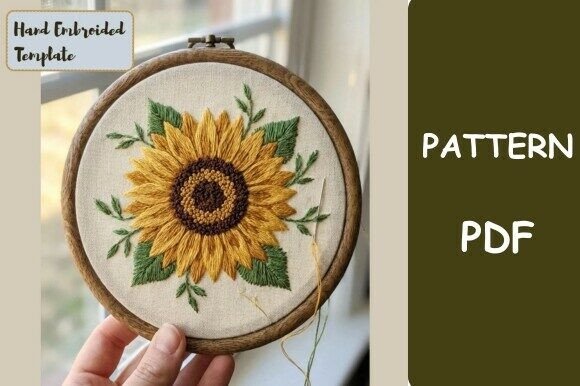
One of the strongest assets of this Hand Embroidery Patterns release is its scalability. The inclusion of an A4-sized PDF with designs scaled to fit 3″, 4″, 5″, 6″, 7″, and 8″ hoops means you are not locked into a single application. For baby embroidery, the smaller scales work beautifully on onesies, burp cloths, or tiny blanket corners. The gentle curves and open spaces allow the fabric to breathe, preventing the stiff, cardboard-like feel that can occur with high stitch density.
For wedding gift designers, the larger scales offer ample opportunity for customization. Imagine this design embroidered on a high-quality linen pillow cover or a heirloom-quality table runner. The simplicity of the graphics allows for creative freedom with thread colors. You might choose soft pastels for a baby shower or rich, metallic threads for a sophisticated wedding keepsake. This adaptability makes it an ideal small shop product for craft fairs, where customers often look for unique, customizable items that mass-produced goods cannot offer.
Furthermore, the design translates well to functional items. An embroidered towel featuring this pattern becomes a charming kitchen accent, while a tote bag adorned with the motif serves as a practical yet stylish accessory. For apron makers, the central placement of the design draws the eye without overwhelming the garment. Each application enhances the perceived value of the handmade product, turning a simple item into a cherished keepsake.
Navigating Fabric and Technical Challenges
While the design is robust, there are areas where careful planning is essential. As with any digital embroidery file, the interaction between thread and fabric texture can make or break the final result. On thick towels, the loops of the terry cloth can obscure finer details. In such cases, using a cut-away stabilizer is non-negotiable to ensure the design remains crisp. For stretchy baby clothes, a hoop size that matches the garment’s curvature is vital to prevent puckering. I always recommend testing on scrap fabric first, especially when working with dark fabric where light thread contrast is key.
Small lettering or delicate elements within the pattern require extra attention. If you are combining this graphic with text for a custom embroidery order, ensure the font weight balances with the design’s line thickness. On curved surfaces, such as the corner of a pillow cover or the pocket of an apron, the design may distort if not hooped correctly. Always check small details after stitching a test sample. If the stitches appear too dense, consider reducing the number of strands used or adjusting the tension. These practical embroidery notes are critical for maintaining professional quality.
Enhancing Giftability and Customer Trust
In the world of online selling, particularly for an Etsy seller, product photography is everything. The Cute Embroidery Pattern lends itself well to visual storytelling. Because the design is clean and recognizable, it photographs beautifully even in natural light. A well-stitched sample can serve as a printable mockup for your listings, helping customers visualize the finished product. This transparency builds customer trust and highlights the handmade quality of your work.
When a customer receives a personalized gift featuring this design, the emotional connection is immediate. The imperfections inherent in hand embroidery add to the charm, reinforcing the idea that the item was made with care. This perceived value justifies a higher price point and encourages repeat business. For commercial embroidery purposes, ensuring you have the correct license is paramount. While this is a digital download for personal use, many designers offer commercial licenses for finished products. Always confirm commercial licensing before selling items made from this pattern to avoid legal issues.
Practical Steps for Implementation
To get the most out of this Graphics package, start by reviewing the beginner-friendly PDF guide included in the download. It covers the basics of hand embroidery, which is helpful if you are outsourcing parts of your production or teaching workshops. Next, select your thread colors wisely. High-contrast combinations work best for visibility, while monochromatic schemes offer a subtle, elegant look. Test the design on various fabrics to see how the stitch density interacts with different weaves.
Finally, consider the end-user. Are they looking for a durable item that withstands frequent washing, or a decorative piece for display? For items like blankets or towels, use colorfast threads and secure knots properly. For wall hangings or pillow covers, you can experiment with more delicate threads and decorative stitches. By treating the Cute Embroidery Pattern as a flexible tool rather than a rigid template, you unlock its full potential. Whether you are creating a baby gift, a wedding present, or a custom home decor item, this design offers the reliability and charm needed to succeed in the competitive handmade market.