Reviewing Line Art Bee Embroidery Design for Makers
As an embroidery designer who spends countless hours digitizing and stitching, I know that finding the right machine embroidery design can make or break a project. Recently, I came across the Line Art Bee Embroidery Design on Creative Fabrica and decided to take a closer look. For those of us running small businesses or creating handmade gifts, the difference between a good design and a great one often lies in the details. This review explores whether this specific file is worth adding to your digital library for real-world commercial use.
First Impressions and Visual Appeal
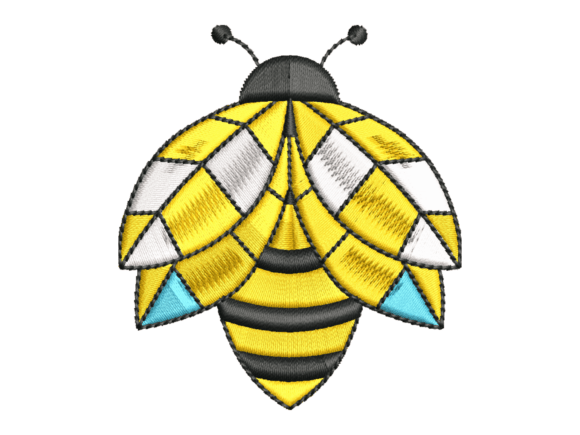
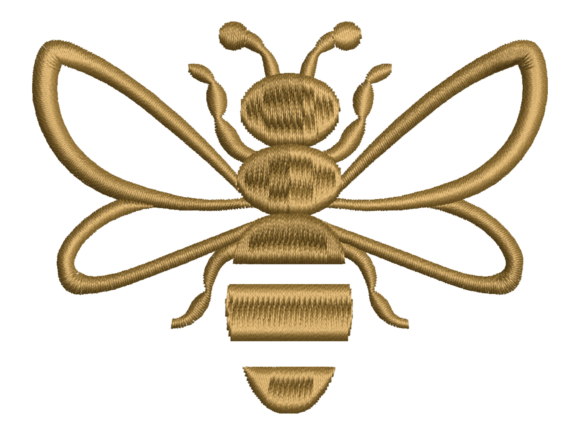
The first thing that strikes you about the Line Art Bee Embroidery Design is its minimalist elegance. In a market saturated with overly complex, dense patterns, this design offers a breath of fresh air. The line art style suggests a modern, clean aesthetic that fits perfectly with current trends in home decor and apparel. It does not rely on heavy fill stitch areas, which means it avoids the bulkiness that can sometimes distort delicate fabrics.
Visually, the design captures the essence of the bee without getting bogged down in excessive detail. This simplicity is a strength. It allows the texture of the fabric to show through, creating a sophisticated look that appeals to buyers looking for understated charm rather than loud, cartoonish graphics. For designers focusing on Animals within their Embroidery niche, this piece stands out for its artistic restraint.
Practical Application in Real Projects
When considering a new digital embroidery file, I always ask myself: where will this actually live? The versatility of the Line Art Bee Embroidery Design is one of its strongest selling points. Here is how it performs across various common projects:
- Tote Bag Design: The clean lines work beautifully on canvas or cotton totes. Because the design is not overly dense, it stitches quickly, allowing for higher production volume if you are selling at craft fairs.
- Sweatshirt Embroidery: On fleece or French terry, lighter designs prevent the garment from becoming stiff. This bee motif sits flat and comfortable, making it ideal for custom apparel.
- Kitchen Towels and Aprons: The whimsical yet refined nature of the bee makes it a perfect addition to kitchen textiles. It adds a touch of personality without overwhelming the utility of the item.
- Nursery Decor: For baby blankets or pillow covers, the soft, linear approach is gentle and appealing. It avoids the harshness of thick satin borders, making it suitable for sensitive skin contexts.
- Embroidered Patch: If you plan to create iron-on or sew-on patches, this design’s clear outlines provide a strong foundation. However, you must ensure your stabilizer is robust enough to support the cut edges.
Technical Considerations for Stitching
While the aesthetic is promising, technical execution is where many designs fail. Since this is a line art style, it likely relies heavily on running stitch and potentially some satin stitch elements for definition. Here are critical factors to consider before hitting "start" on your machine:
Fabric Choice and Stabilizer: Because line art can be delicate, using the correct stabilizer is non-negotiable. On stretchy fabrics like jersey knits for t-shirts, a cut-away stabilizer is essential to prevent puckering. For woven fabrics like linen or cotton, a tear-away might suffice, but always test on scrap fabric first. The lack of heavy fill means there is less thread tension holding the fabric in place, so stability comes from your hooping technique and backing.
Thread Colors and Contrast: The success of a line art design depends entirely on contrast. On dark fabrics, ensure you use a high-contrast thread color so the bee remains visible. On light fabrics, subtle tonal variations can create a sophisticated, almost watermark-like effect. Always check your thread colors against your material before committing to a final handmade product.
Hoop Size and Placement: Before purchasing, verify the available hoop size options included in the download. While the product description notes that files are delivered in ZIP or RAR format, it does not specify exact dimensions. Ensure the design fits your intended hoop, especially if you are working with smaller items like caps or baby bibs. Curved surfaces, such as caps, require careful placement to avoid distortion of the linear elements.
Commercial Viability and Brand Value
For Etsy sellers and boutique owners, the Line Art Bee Embroidery Design offers significant commercial potential. Its modern look aligns well with brands that prioritize minimalism and quality. Using this design can enhance your finished product presentation, making your items look curated rather than mass-produced.
When creating printable mockup images for your online store, this design photographs exceptionally well. The clean lines do not get lost in shadow or glare, allowing customers to clearly see the detail. This clarity builds buyer trust. Furthermore, because it is a versatile design asset, it can be used across multiple product lines, helping maintain brand consistency. Whether used on a personalized gift or a standard inventory item, it adds perceived value.
Licensing and File Management
It is crucial to remember that this is a digital product. No physical item will be shipped. Upon purchase, you receive an instant download in ZIP or RAR format. As with all Creative Fabrica embroidery products, you must review the specific license terms on the product page before selling finished items. While many licenses allow for commercial use of physical goods, rules regarding digital redistribution or large-scale manufacturing can vary.
Since there are no returns or refunds for digital products, diligence is key. Download the files immediately and back them up. Check that the formats provided are compatible with your specific embroidery machine. If the package includes multiple formats, organize them in your library for easy access during future commercial embroidery runs.
Final Verdict
The Line Art Bee Embroidery Design is a thoughtful addition to any designer’s toolkit. It balances artistic flair with practical stitch efficiency. It is particularly well-suited for makers who want to offer modern, high-quality custom apparel and home goods without the hassle of managing dense, time-consuming stitch files. By paying attention to stabilizer choice and thread contrast, you can elevate this simple design into a standout feature of your handmade collection. Always perform a test stitch on scrap fabric to confirm density and alignment, ensuring your final product meets the high standards your customers expect.