Reviewing Scallop Shell Embroidery for Real Projects
As a designer who has spent countless hours hooping fabric and troubleshooting thread breaks, I approach every new machine embroidery design with a mix of curiosity and caution. We have all been there: you download a file that looks stunning in the preview software, only to find it turns into a puckered mess on actual fabric. That is why I took a close look at Scallop Shell Embroidery before committing it to any client work or personal inventory. This is not just about aesthetics; it is about how a digital asset translates into a tangible, high-quality finished product.
First Impressions and Visual Mood
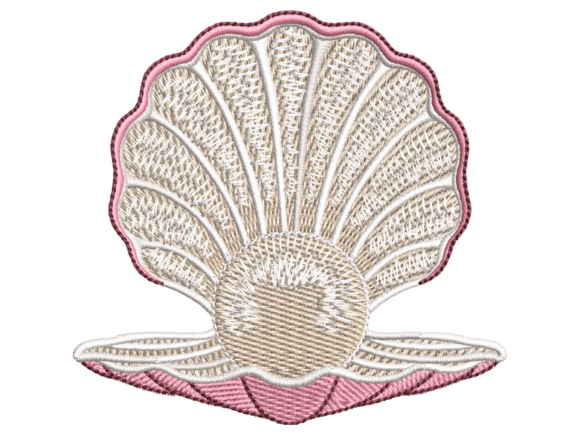
The first thing that strikes me about Scallop Shell Embroidery is its organic elegance. Unlike rigid geometric patterns, this design captures the fluid, rhythmic nature of ocean life. It feels calm yet sophisticated, making it an excellent choice for projects that require a touch of serene beauty. The layout suggests a balance between detail and open space, which is crucial for maintaining stitching clarity. When I visualize this on a tote bag design, I imagine it sitting comfortably on canvas, where the texture of the fabric complements the curves of the shell.
For those of us running a craft business, mood matters. Customers are not just buying a stitch pattern; they are buying a feeling. This design evokes coastal vibes, summer memories, and natural simplicity. It fits seamlessly into collections focused on nature, beach houses, or minimalist home decor. However, it is versatile enough to work beyond the seaside theme if paired with unexpected color palettes, such as deep navy or metallic threads for a more luxurious look.
Real-World Application Scenarios
To truly evaluate an embroidery file, you must imagine it in action. I recently considered using this motif for a line of custom linen tea towels. The scallop shape lends itself beautifully to corner placements or as a repeating border element. On a lightweight linen, the design would need careful attention to stabilizer choice to prevent distortion, but the result would be a high-end, boutique-quality item that appeals to buyers looking for unique kitchen textiles.
Another strong candidate for this design is sweatshirt embroidery. Placing a medium-sized version of the shell on the left chest of a neutral-toned hoodie creates a subtle, branded look that feels professional rather than amateurish. It works well for small shop merchandise because it is recognizable without being overwhelming. For baby embroidery, such as on muslin swaddles or onesies, the soft curves are gentle and appealing. Just ensure the scale is adjusted so the details do not become too dense for delicate infant skin.
I also see potential in creating embroidered patch products. If you plan to sell these as iron-on or sew-on accessories, the design’s outline needs to be clean. A satin stitch border could define the shell sharply against a twill background, making it pop. This is a great way to expand your design assets library without committing to full-garment production.
Technical Considerations and Fabric Challenges
While the visual appeal is strong, we must discuss the technical realities. Not every fabric behaves the same way. When working with stretchy fabric like jersey knits for t-shirts, you must use a cut-away stabilizer to support the stitches. If the stitch density is too high, the fabric may pucker around the curves of the shell. I always recommend testing the design on scrap fabric first, ideally the exact same material you intend to use for the final product.
Dark fabrics present another challenge. If you are stitching white or pastel threads on black cotton, you need to ensure there is sufficient coverage. Check if the design uses a fill stitch effectively or if it relies heavily on running stitch outlines that might get lost. Conversely, on textured fabrics like towel material, finer details might disappear. In such cases, simplifying the design or increasing the stitch length can help maintain visibility.
Curved surfaces, such as caps or hats, require extra caution. The scallop shape has inherent curves, which can align nicely with the front panel of a cap, but you must hoop correctly to avoid shifting. Always check the recommended hoop size before starting. If the design is too large for a standard 4x4 hoop, you might need to resize it, which can alter the stitch density and potentially cause thread breaks.
Commercial Viability and Brand Consistency
For Etsy sellers and handmade shop owners, consistency is key. Using Scallop Shell Embroidery across different product lines—such as matching pillow covers and aprons—can help build a cohesive brand identity. It signals professionalism and attention to detail. When customers see consistent quality in your personalized gift options, their trust in your brand grows.
However, remember that this is a digital embroidery file delivered in ZIP or RAR format. There are no physical items shipped, and there are no returns or refunds for digital products. This means the responsibility for quality control lies entirely with you. Before listing any commercial embroidery items for sale, verify the license terms. Ensure you have the right to sell finished products made with this design. Some designers allow unlimited sales, while others have restrictions. Since the provided description does not specify license terms, you must check the accompanying documentation or contact the seller directly.
Practical Designer Notes
Before you dive into production, here are a few practical steps to ensure success:
- Test on Scraps: Always stitch out a test sample on the actual fabric and stabilizer combination you plan to use.
- Check Thread Contrast: View your design in black and white mockups to ensure the shapes remain distinct without color reliance.
- Inspect Small Details: Zoom in on the digital preview to check for tiny, isolated stitches that might cause nesting or breaks.
- Verify File Formats: Confirm that the ZIP or RAR file contains the specific format compatible with your machine (e.g., PES, DST, JEF).
- Consider Washing: If the final product will be washed frequently, such as a kitchen towel or baby item, ensure the stitches are secure and the fabric can handle the tension.
In conclusion, Scallop Shell Embroidery offers a blend of aesthetic charm and practical versatility. It fits well within the niche of nature-inspired Fish and marine-themed Embroidery but stands on its own as a elegant decorative element. By approaching it with a designer’s eye for detail and a maker’s respect for materials, you can create stunning, sellable products that resonate with customers. Whether you are decorating custom apparel or crafting unique home goods, this design has the potential to elevate your work if handled with care and precision.