Reviewing the Embroidery Heart Love Valentine Design
As an embroidery designer who has spent years digitizing files for small businesses, boutique owners, and apparel decorators, I approach every new machine embroidery design with a critical eye. It is not just about whether a pattern looks cute on a screen; it is about how it performs under the needle, how it translates to a physical product, and whether it adds genuine value to a brand’s identity. Recently, I evaluated the Embroidery Heart Love Valentine Design, specifically focusing on its potential for commercial use beyond seasonal holiday decor. This review breaks down how this line art style can serve as a versatile asset for your small business merch strategy.
First Impressions: A Modern Take on Classic Symbolism
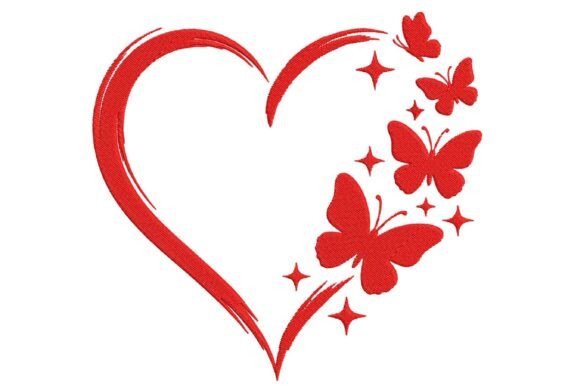
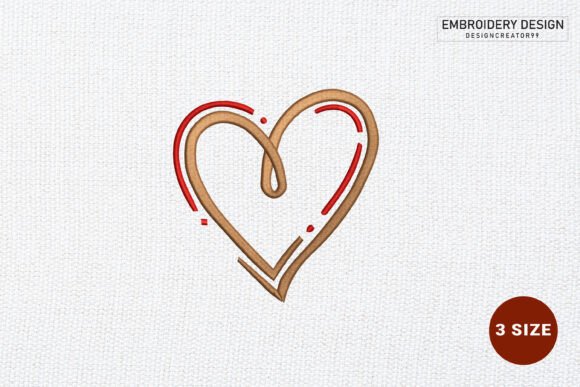
The first thing that strikes you about the Embroidery Heart Love Valentine Design is its restraint. In a market saturated with overly complex, high-density floral hearts or cartoonish characters, this design leans into a minimalist, line-art aesthetic. The description highlights "Love Hands Line Art," which suggests a contemporary, artistic approach rather than a traditional, heavy fill. For a professional embroiderer, this is promising. It feels friendly yet premium, striking a balance between playful and elegant.
This visual personality is crucial for brand identity. If you run a modern café, a creative studio, or a boutique florist, you likely want merchandise that customers actually want to wear or display in their homes. A design that feels too juvenile or cluttered often ends up in the back of a closet. However, a clean, linear heart motif feels intentional and stylish. It signals that your brand values quality and modern design sensibilities, which can significantly boost customer trust and perceived product value.
Real-World Applications for Small Businesses
When I test a new digital embroidery file, I immediately imagine it on various substrates. The versatility of this specific heart design makes it a strong candidate for multiple product lines. Here is how I see it performing in real business scenarios:
- Branded Patches: This is perhaps the strongest use case. A line-art heart translates beautifully into an embroidered patch. You can apply these to denim jackets, canvas tote bags, or even laptop sleeves. Because the design relies on outlines rather than solid fills, it remains legible even at smaller sizes, making it ideal for chest-sized patches or sleeve details.
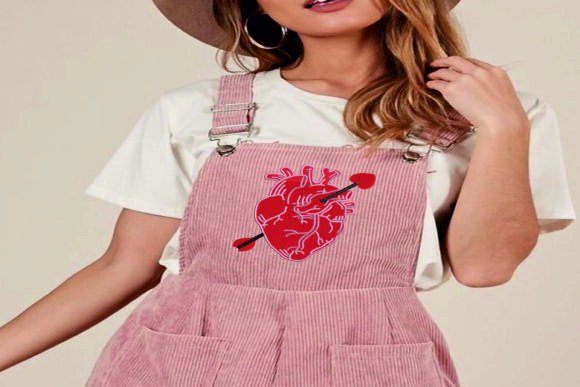
- Staff Uniforms and Aprons: For bakeries, coffee shops, or pet brands, staff apparel is a walking billboard. Stitching this design onto the corner of an apron or the chest pocket of a work shirt adds a touch of warmth without being overwhelming. It reinforces the "love" aspect of hospitality brands subtly.
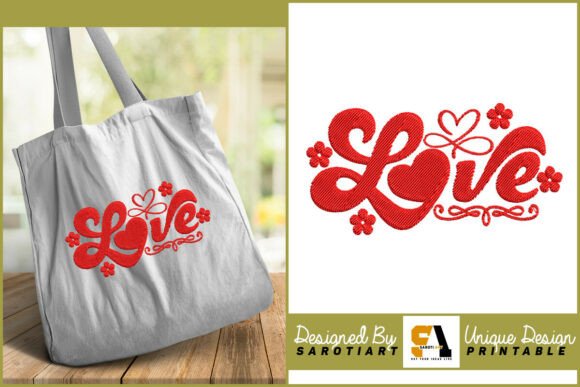
- Tote Bag Design: Canvas totes are a staple for handmade sellers and local boutiques. The Embroidery Heart Love Valentine Design works well here because line art does not add excessive weight or stiffness to the fabric, ensuring the bag remains functional and soft.
- Cap Embroidery: Front-panel cap embroidery requires designs that are not too tall or wide. This heart motif, being compact and linear, fits nicely above the brim or on the side panel, offering a trendy accent for lifestyle brands.
Technical Considerations and Production Notes
While the aesthetic appeal is high, technical execution is where many designers stumble. Before you commit to a large production run of custom apparel or branded goods, there are several practical factors to consider with this type of line-art design.
Stitch Density and Fabric Texture: Line art designs typically have lower stitch density than filled shapes. This is generally good for preventing puckering, but it means the underlying fabric texture will show through. If you are stitching on a dark uniform or a textured towel, ensure you choose thread colors with high contrast. A light thread on dark fabric will pop, but if the contrast is low, the delicate lines may get lost. Always test on your actual material before finalizing the product.
Stabilizer Selection: Because this design lacks the structural support of a solid fill, proper stabilization is non-negotiable. Use a cut-away stabilizer for stretchy fabrics like t-shirts to prevent distortion over time. For woven fabrics like tote bags or caps, a medium-weight tear-away might suffice, but always hoop tightly to maintain the integrity of the lines.
Size Limitations: The description mentions it can be stitched onto kids’ clothing and signs. However, when scaling down for small patches or tiny labels, verify that the lines do not become too thin to stitch reliably. Most machines struggle with lines thinner than 1mm. Check the hoop size requirements and ensure the design scales proportionally without losing detail.
Enhancing Brand Identity and Customer Engagement
Using a cohesive design element like the Embroidery Heart Love Valentine Design across your product line creates visual consistency. Whether it appears on a printable mockup for your online store or on the actual finished product, it becomes a recognizable signature of your brand. For Etsy sellers and crafters, this consistency helps build a loyal following. Customers begin to associate that specific heart motif with the quality and ethos of your shop.
Moreover, this design bridges the gap between seasonal and evergreen content. While it falls under the Valentine S Day category, the theme of "love" and "hands" is universal. It can be marketed year-round for weddings, anniversaries, or simply as a symbol of care and craftsmanship. This extends the lifecycle of your design assets and maximizes the return on investment for your digital purchases.
Final Verdict and Designer Recommendations
The Embroidery Heart Love Valentine Design is a solid addition to any commercial embroiderer’s library, particularly for those targeting lifestyle, boutique, or hospitality markets. Its strength lies in its simplicity and adaptability. However, success depends on careful execution.
- Test in Black and White: Before choosing fancy metallic or variegated threads, stitch the design in black thread on white fabric. This reveals any gaps, jumps, or alignment issues in the digitizing.
- Check Commercial Licensing: Always confirm the license terms included with the embroidery file. Ensure you have the right to use it for physical goods sold for profit.
- Create Mockups: Use digital tools to place the design on various items like aprons, caps, and totes. This helps clients visualize the end result and aids in sales conversions.
- Mind the Details: Pay attention to thread color contrast and spacing. Since it is line art, precision is key.
In conclusion, if you are looking to elevate your commercial embroidery offerings with a design that feels both handmade and professional, this heart motif is worth considering. It offers the flexibility needed for diverse applications while maintaining a clear, modern aesthetic that resonates with today’s consumers. Just remember to respect the technical limitations of line art, and you will find it to be a reliable and profitable asset in your design toolkit.