Review: Elegant Bow Embroidery Design for Crafters
As a designer who has spent years digitizing patterns and testing them on everything from delicate silk to heavy canvas, I approach every new machine embroidery design with a critical eye. It is not just about how the preview looks on a screen; it is about how the needle interacts with the fabric, how the thread tension holds up, and ultimately, how the finished product feels in a customer’s hands. Recently, I evaluated the Elegant Bow Embroidery Design, a pattern that promises timeless charm and clean lines. After putting it through its paces on various materials, I have formed a clear opinion on where this design shines and where it requires careful handling.
First Impressions and Visual Personality
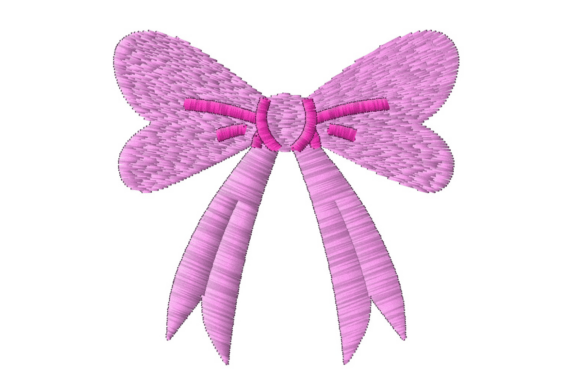
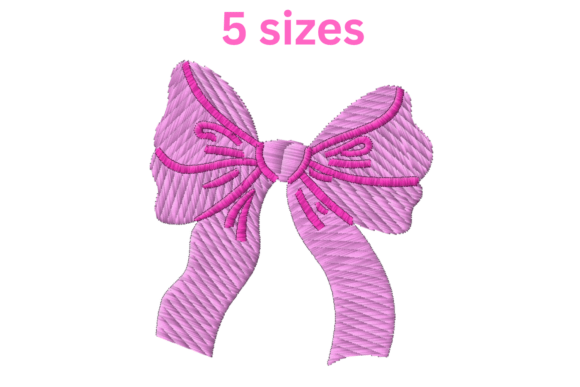
The first thing that strikes you about the Elegant Bow Embroidery Design is its restraint. In a market flooded with overly complex, dense patterns, this design relies on smooth ribbon shapes and balanced curves. It creates a mood of understated sophistication rather than loud decoration. The layout is symmetrical but organic, avoiding the rigid, computer-generated look that plagues many lower-quality embroidery files.
This visual personality makes it incredibly versatile. It does not scream for attention; instead, it invites a closer look. For those of us in the Beauty and lifestyle niche, this subtlety is crucial. A bow can easily tip into cliché if it is too cartoonish or too intricate, but this design walks the line perfectly. It feels appropriate for a high-end boutique item just as much as it does for a cozy handmade gift.
Real-World Application: The Tote Bag Test
To truly understand the value of a design, you must stitch it. I decided to use the Elegant Bow Embroidery Design on a custom canvas tote bag, a staple product for many Etsy sellers and small shop owners. I chose a natural cotton canvas, which provides a neutral background that allows the thread colors to pop.
The stitching process was smooth. The design utilizes a combination of satin stitch for the ribbon edges and a lighter fill stitch for the body of the bow. This choice is intelligent because it reduces bulk while maintaining definition. On the tote bag, the bow sat flat against the fabric, avoiding the puckering that often happens with denser patterns. The result was a polished, professional-looking tote bag design that elevated a simple utility item into something giftable and stylish.
I also tested it on a fleece sweatshirt. Here, the design proved its worth as a piece of sweatshirt embroidery. The curves remained crisp despite the textured surface of the fleece. For custom apparel businesses, this reliability is key. Customers expect their personalized items to look premium, and this design delivers that perception without requiring advanced hooping skills.
Versatility Across Product Lines
Beyond bags and apparel, I see significant potential for this design in the nursery and holiday markets. As a baby embroidery element, it works beautifully on onesies or burp cloths, provided you scale it down appropriately. The soft curves are gentle and appealing for infant products. Similarly, for holiday embroidery, adding a red or green thread palette transforms the bow into a festive accent for kitchen towels or pillow covers.
For commercial embroidery projects, such as branded aprons for a bakery or boutique, the design adds a touch of elegance without overwhelming the brand logo. It serves as an excellent secondary element, balancing out text or larger graphics. If you are creating design assets for a printable mockup library, this bow offers a realistic representation of what high-quality stitching looks like, helping buyers visualize the final product.
Technical Considerations and Fabric Constraints
While the design is robust, it is not without its limitations. Designers must be mindful of stitch density when working with thin or stretchy fabrics. Although this pattern is relatively light, placing it on a sheer chiffon or a highly elastic jersey without proper support will lead to distortion. Always use a high-quality stabilizer—cut-away for stretchy knits and tear-away for stable wovens.
Another consideration is the hoop size. Ensure your machine’s hoop can accommodate the full width of the bow with adequate margin. Attempting to squeeze this design into a tiny hoop for a pocket detail might require resizing, which can alter the proportion of the ribbon tails. Always test the resized version on scrap fabric first to ensure the running stitch outlines remain visible and do not merge into the fill.
Dark fabrics present another challenge. If you are stitching a light-colored bow on black denim, you may need to adjust your thread colors or add an underlay to prevent the fabric from showing through the stitches. The clean look of the design relies on contrast, so poor color choices can muddy the appearance.
Enhancing Brand Value and Customer Trust
From a business perspective, the quality of your embroidery directly impacts customer trust. A messy, puckered bow suggests carelessness, while a crisp, well-stitched Elegant Bow Embroidery Design signals professionalism. For handmade product sellers, this distinction is vital. It affects not only repeat purchases but also the perceived value of your personalized gift offerings.
When used consistently across your product line, this design can become part of your brand identity. Imagine a series of embroidered patch items or a collection of tea towels all featuring this same elegant motif in different seasonal colors. It creates cohesion and recognition, making your small shop product lineup feel curated and thoughtful.
Practical Notes for Designers
Before integrating this digital embroidery file into your workflow, take these practical steps:
- Test on Scrap Fabric: Never stitch directly on your final product. Use a similar material to check tension and alignment.
- Check Thread Contrast: Ensure your thread color stands out against the fabric texture. Matte threads often look more sophisticated than shiny rayon for this particular design.
- Verify Licensing: If you plan to sell finished items or use the design in commercial projects, confirm the license terms provided with the file. Some designers allow unlimited sales, while others have restrictions.
- Mockup in Black and White: Review the design in grayscale to check for clarity. If the details disappear in black and white, they may get lost in low-light photos or on busy backgrounds.
- Inspect Small Details: Zoom in on the digital file to ensure there are no unnecessary jump stitches or overlapping paths that could cause thread breaks.
In conclusion, the Elegant Bow Embroidery Design is a reliable, aesthetically pleasing addition to any designer’s library. It bridges the gap between simple and sophisticated, making it ideal for a wide range of embroidery project types. Whether you are creating a finished product for a holiday market or building a catalog of craft business staples, this design offers the versatility and quality needed to succeed. Just remember to respect the technical requirements of your fabric and machine, and the results will speak for themselves.