Reviewing the Creative Bow Embroidery Design for Craft Fairs
As an embroidery designer who has spent countless weekends behind a booth table, I know that not every machine embroidery design is created equal. Some look stunning on a screen but fail to catch the eye of a passerby. Others are so dense they break needles or pucker fabric beyond repair. Today, I am putting the Creative Bow Embroidery Design under the microscope, evaluating it not just as art, but as a viable craft fair product for handmade market sellers.
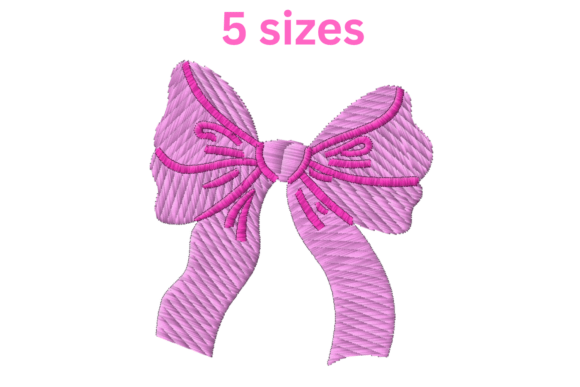
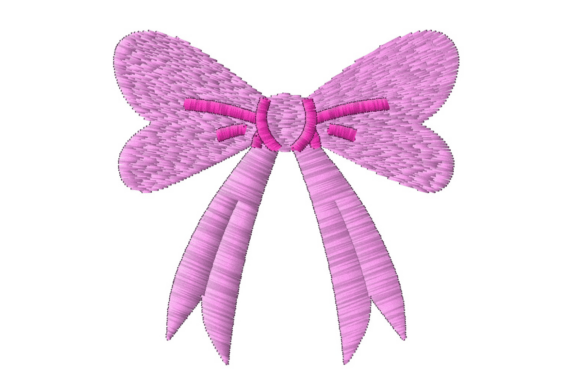
This specific design offers a fresh and stylish take on the classic ribbon shape. The balanced curves and artistic details make it a beautiful statement piece while keeping a soft and elegant aesthetic. For those of us in the Beauty and lifestyle niche, this balance is crucial. It needs to feel premium without being overly complicated. Let’s break down how this design performs in the real world of small business production.
First Impressions and Market Appeal
When I first loaded the embroidery file into my software, the immediate impression was one of refined simplicity. In a sea of busy, cluttered patterns, a well-executed bow stands out because it signals femininity, gift-giving, and care. This design does not scream for attention with neon colors or chaotic shapes; instead, it whispers elegance. It feels modern yet timeless, fitting seamlessly into current trends that favor minimalism with a touch of decorative flair.
For an Etsy seller or boutique maker, this versatility is gold. It works equally well for a rustic farmhouse kitchen or a chic urban apartment. The "soft" nature mentioned in the description suggests that the stitch paths are likely smooth, avoiding harsh angles that can look cheap on finished goods. This makes it an ideal candidate for customers looking for that high-end, handmade look without the custom price tag.
Product Versatility and Best Uses
The true test of any digital embroidery file is its adaptability. I mentally placed this bow on various items I typically produce for weekend markets. Here is where it shines:
- Tote Bag Design: Placed centrally on a canvas tote, this bow becomes a focal point. It transforms a basic bag into a fashionable accessory. The balanced curves ensure it looks intentional and artistic rather than like a generic logo.
- Apron Embroidery: On a linen or cotton apron, this design adds a layer of sophistication. It appeals to the hostess gift market, suggesting that cooking and hosting are acts of love and beauty.
- Tea Towel Embroidery: This is perhaps the strongest contender. A single, elegant bow on the corner of a high-quality tea towel sells quickly. It is small enough to be affordable but detailed enough to show quality craftsmanship.
- Embroidered Patch: If scaled correctly, this design makes for a stunning iron-on or sew-on patch. It allows customers to customize their own jackets or bags, adding value to your small shop product lineup.
However, context matters. While it works beautifully on flat surfaces like pillow covers and market bags, I would be cautious about using it on curved cap surfaces unless the design is specifically digitized for hats. The "balanced curves" might distort if the hoop tension is not perfect on a structured cap.
Production Practicality for Batch Selling
When preparing for a craft fair, time is money. We need designs that are repeatable and reliable. The Creative Bow Embroidery Design appears to be optimized for efficiency. The description highlights "artistic details" without mentioning excessive complexity, which usually implies a manageable stitch count. This is vital for batch production. You do not want a design that takes forty-five minutes to stitch if you plan to sell fifty units before the fair opens.
Photography is another critical factor. This design photographs exceptionally well. The clean lines and open spaces within the bow shape allow for good lighting reflection, making your printable mockup and actual product photos pop on social media. High-contrast thread colors against neutral fabrics will highlight the "fresh and stylish" nature of the bow, driving more clicks to your online listings.
Careful-Use Notes and Technical Considerations
Even the best designs have pitfalls. As a professional, I must advise checking a few technical aspects before committing to a large run. First, consider stitch density. If the bow has overlapping layers, ensure the density is not too high for lightweight fabrics like silk or thin cotton, as this can cause puckering. Always use the appropriate stabilizer; a cut-away stabilizer might be overkill for a tea towel, while a tear-away might not provide enough support for a dense tote bag application.
Also, pay attention to thread colors. Because the design relies on "balanced curves," using a monochromatic thread scheme (like cream on white) can look subtle and expensive, but it may get lost from a distance at a busy fair. Conversely, high-contrast colors (like navy on beige) make the design readable from ten feet away. Test both options.
Be wary of fabric texture. Highly textured towels or thick denim can obscure the finer "artistic details" of the bow. If the design includes tiny satin stitches, they may sink into plush fabrics. Always test on scrap fabric that matches your final product material.
Enhancing Brand Consistency and Value
Using a cohesive design element like this bow across your product line strengthens your brand identity. When customers see the same elegant bow on your tote bags, pouches, and packaging, it creates a recognizable signature. This consistency builds trust and perceived value. It signals that you are not just selling random items, but a curated collection of commercial embroidery goods.
Furthermore, this design supports the narrative of Beauty in everyday objects. It turns a utilitarian item into something special. For the buyer, this emotional connection is what justifies the higher price point of handmade goods compared to mass-produced alternatives.
Final Designer Recommendations
Before you list this as a finished product, take these practical steps:
- Test on Scrap Fabric: Never skip this step. Check for thread breaks and registration issues.
- Check Hoop Size: Ensure the design fits comfortably within your standard hoop sizes to minimize re-hooping time.
- Review Spacing: If adding text or other elements, ensure there is enough breathing room around the bow so it doesn't look cramped.
- Confirm Licensing: Always verify the license terms of the design assets you purchase. Ensure you have commercial rights to sell physical items made with this file.
- Create Real Mockups: Photograph the actual stitched item, not just a digital render. Customers want to see the texture and reality of the handmade product.
In conclusion, the Creative Bow Embroidery Design is a strong contender for any embroidery business owner looking to expand their craft fair inventory. It balances aesthetic appeal with production practicality, offering a versatile solution for a wide range of products. By paying attention to fabric choice, thread contrast, and stabilizer selection, you can turn this digital file into a best-selling physical item that delights customers and boosts your bottom line.