Review: Sleeping Bunny Outline Embroidery for Makers
As a designer who has spent countless hours staring at digitized paths and troubleshooting thread breaks, I approach every new machine embroidery design with a mix of curiosity and caution. We have all been there: you download a file that looks perfect on the screen, only to find it puckers the fabric or loses its charm once the needle hits the cloth. Today, I am taking a close look at the Sleeping Bunny Outline Embroidery, evaluating it not just as a digital asset, but as a practical component for real-world embroidery projects.
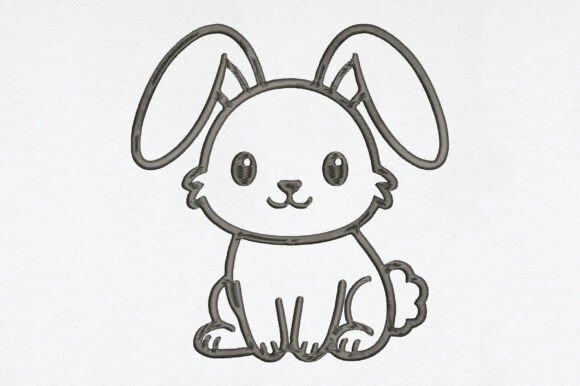
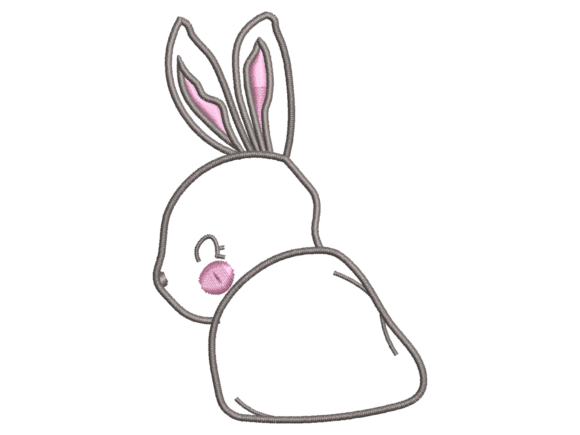
The first impression of this design is one of serene simplicity. In a market saturated with overly complex, high-density fills, an outline style offers a refreshing breath of air. The mood is gentle and whimsical, perfectly suited for the Animals category without feeling childish or cluttered. For those of us running a craft business or selling on Etsy, visual clarity is currency. This design relies on clean lines rather than heavy saturation, which immediately suggests versatility. It does not scream for attention; instead, it invites a closer look, making it ideal for subtle branding or delicate personalization.
Real-World Application: The Custom Tote Test
To truly understand the value of an embroidery file, you have to imagine it on a product. I recently considered using this bunny motif for a spring collection of canvas tote bags. Canvas is a textured, sturdy fabric that can sometimes swallow up fine details if the stitch density is too low. However, because this is an outline design, likely utilizing a combination of running stitch and perhaps light satin stitch borders, it holds up remarkably well against the weave of the fabric.
When stitched onto a natural cotton tote, the sleeping bunny creates a focal point that feels handmade and intentional. It avoids the "stiff patch" look that often plagues heavy fill designs. For an Etsy seller, this is crucial. Customers buying a handmade product want something that feels integrated into the material, not just slapped on top. The open nature of the outline allows the texture of the bag to show through, enhancing the organic feel of the finished product.
Versatility Across Product Lines
Beyond totes, this design shines in several other categories. For baby embroidery, such as onesies or burp cloths, the lack of dense stitching is a major advantage. Babies have sensitive skin, and heavy embroidery can feel scratchy or rigid. An outline design remains soft and flexible, moving with the stretch of the knit fabric. Similarly, for sweatshirt embroidery, the design prevents the dreaded "cardboard effect" where the chest area becomes stiff and unyielding.
I also see strong potential for this design in holiday embroidery projects, particularly for Easter baskets or nursery decor. It pairs beautifully with pastel thread colors, but do not underestimate its power in monochrome. A stark white outline on a navy blue pillow cover or a black outline on a cream apron creates a modern, graphic look that appeals to a broader demographic than just traditional crafters. This adaptability makes it a valuable asset for any small shop product line.
Technical Considerations and Fabric Choices
While the design is forgiving, it is not without its technical demands. Because it relies on outlines, the stability of your hoop and stabilizer choice is critical. On stretchy fabrics like jersey or fleece, inadequate stabilization can cause the lines to warp, turning a cute bunny into a distorted shape. I always recommend testing on scrap fabric first, especially if you are new to working with knits.
Another factor to consider is fabric texture. On very plush fabrics like minky or thick towels, thin outline stitches can get lost in the pile. In these cases, you might need to adjust your thread weight or choose a slightly bolder version of the design if available. Conversely, on thin, delicate fabrics like silk or lightweight rayon, ensure your tension is balanced to prevent puckering. The beauty of an outline is its low stitch density, but this means each stitch carries more visual weight. Any misalignment is more noticeable than in a dense fill.
For those considering this for custom apparel like caps or curved surfaces, be mindful of the hoop size. While the design appears compact, you must ensure it fits within your machine’s capabilities without distorting the curve of the hat. Always check the specific dimensions provided in the digital embroidery file package before committing to a difficult substrate.
Commercial Viability and Brand Consistency
From a business perspective, the Sleeping Bunny Outline Embroidery offers excellent ROI in terms of machine time. Lower stitch counts mean faster production, allowing you to fulfill orders more quickly during peak seasons like spring or holidays. This efficiency is vital for maintaining profit margins in a competitive commercial embroidery environment.
Moreover, the aesthetic consistency of this design helps build brand recognition. If your shop specializes in minimalist, nature-inspired goods, this bunny fits seamlessly into your visual identity. It works well as a standalone element or as part of a larger composition. When creating printable mockups for your online store, the clean lines translate beautifully into digital previews, helping customers visualize the personalized gift they are purchasing.
Practical Designer Notes
Before you dive into production, keep these practical tips in mind:
- Check the Formats: The product description notes that files are delivered in ZIP or RAR format. Ensure you have the correct conversion software if your machine requires a specific file type not explicitly listed.
- Test Thread Contrast: Since this is an outline, thread color choice is paramount. High contrast creates a bold graphic look, while low contrast offers a subtle, tonal effect. Test both on your intended fabric.
- Verify Licensing: Always confirm the license terms before selling finished items. While many designers allow commercial use of finished physical products, rules vary regarding digital resale or mass production.
- No Refunds Policy: Remember that this is a digital product with no returns or refunds. Download and inspect the files immediately upon purchase to ensure they meet your needs.
- Stabilizer Matters: Use a cut-away stabilizer for stretchy fabrics and a tear-away for woven materials to maintain the integrity of the outline.
In conclusion, the Sleeping Bunny Outline Embroidery is a thoughtful, versatile addition to any designer’s library. It bridges the gap between playful charm and professional minimalism, making it suitable for everything from embroidered patches to high-end boutique apparel. By understanding its technical requirements and leveraging its aesthetic strengths, you can create products that resonate with customers and stand out in a crowded marketplace. Whether you are a hobbyist making gifts or a seasoned digital product seller, this design offers the reliability and style needed to elevate your craft.