Reviewing Pigeons in Love Embroidery for Real Projects
As a designer who spends more time staring at stitch simulations than actual fabric, I have learned to be skeptical of cute concepts. We all know that what looks adorable on a screen can sometimes turn into a tangled mess of thread breaks and puckering on the hoop. However, when I recently pulled up the Pigeons in Love Embroidery design to evaluate it for an upcoming spring collection, my initial skepticism quickly turned into genuine appreciation. This isn’t just another generic heart-themed clipart conversion; it is a thoughtful composition that balances whimsy with technical practicality.
First Impressions: Mood and Visual Personality
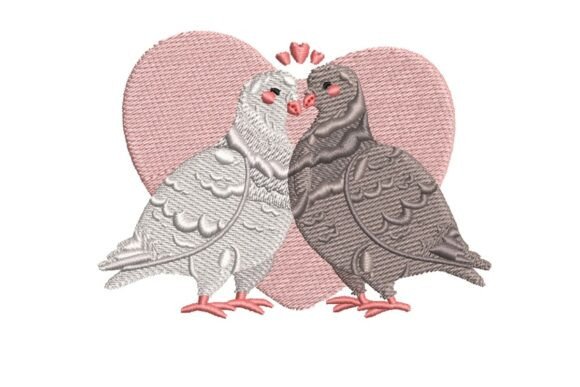
The immediate appeal of this design lies in its narrative simplicity. The scene features two cuddly pigeons, one soft white and the other likely a contrasting shade, engaged in a tender moment. For those of us in the craft business, we know that "cute" sells, but "character" builds brand loyalty. The visual personality here is warm, urban, and slightly quirky. It moves away from the overly polished, sterile look of traditional Valentine S Day motifs and embraces a more organic, hand-drawn feel. This distinction is crucial because it allows the design to fit seamlessly into modern boutique aesthetics rather than feeling like a seasonal clearance item.
The layout is compact yet expressive. The shapes are rounded and fluid, which is excellent for machine execution. Sharp, jagged angles often cause needle deflection or thread snapping, but the curved lines of these pigeons suggest a smooth stitching process. The detail level is moderate—enough to define the birds’ features without relying on microscopic satin stitches that might not hold up after washing.
Real-World Application: From Mockup to Finished Product
To truly test the viability of any machine embroidery design, I mentally place it on various substrates. I imagined this specific embroidery file on a natural canvas tote bag. The result was charming. The whimsical nature of city pigeons pairs perfectly with the eco-friendly, casual vibe of a tote. It transforms a basic grocery bag into a statement piece that feels personal and artistic.
I also considered sweatshirt embroidery. Placing this design on the left chest of a heather grey crewneck creates a subtle, high-end look. It is small enough to be understated but detailed enough to catch the eye. For baby embroidery, such as a onesie or a burp cloth, the softness of the subject matter works well. However, one must be cautious with scale. On infant garments, the design should be resized to ensure the details remain clear without becoming too dense for delicate fabrics.
For Etsy sellers and small shop owners, this design offers versatility. It works beautifully as an embroidered patch applied to denim jackets or backpacks. The self-contained nature of the image means it doesn’t require complex background fills, making it ideal for applique techniques if you want to add texture. Using a felt or cotton backing for an applique design could enhance the tactile quality of the finished product, adding value for customers looking for unique handmade items.
Technical Considerations and Stitch Behavior
When evaluating a digital embroidery file, I always look at the balance between satin stitch and fill stitch usage. In this design, the bodies of the pigeons likely utilize fill stitches to create volume and softness. This is a smart choice because fill stitches lay flatter on fabric than heavy satin columns, reducing the risk of tunneling or distortion. The outlines and finer details, such as beaks or eyes, probably rely on running stitches or narrow satin stitches. This combination ensures clarity without excessive bulk.
Stitch density is a critical factor here. If the density is too high, the fabric will pucker, especially on lighter materials like cotton tea towels or thin jersey knits. If it is too low, the underlying fabric might show through, ruining the visual impact. Based on the visual complexity, this design appears to have a balanced density suitable for medium-weight fabrics. However, I strongly advise testing on scrap fabric first. Every machine tension setup is different, and what works on my industrial multi-needle might behave differently on a home single-needle machine.
The choice of thread colors will make or break this project. While the default colorway might feature soft whites and greys, do not be afraid to experiment. High-contrast threads can make the design pop on dark fabrics, while monochromatic schemes can create a sophisticated, tonal effect. Always check your thread chart against the design preview to ensure the transitions between shades are smooth.
Where to Use Caution
Despite its charm, this design is not universal. I would hesitate to use it on highly textured fabrics like thick wool coats or terry cloth towels without significant stabilization. The fine details of the pigeons’ faces could get lost in the pile of the fabric. Similarly, on stretchy materials like spandex or thin rayon, the design requires a robust cut-away stabilizer to prevent distortion during wear and washing.
Curved surfaces, such as caps or hats, present another challenge. While the design is relatively flat, placing it on the front panel of a cap requires careful hooping. Ensure the design is centered and that the stabilizer is securely attached to prevent shifting. If the design includes any tiny text or intricate corner details, verify that your machine can handle the sharp turns without bird-nesting.
Commercial Viability and Brand Consistency
For commercial embroidery projects, consistency is key. This design lends itself well to branding because it evokes emotion without being overly specific to a single holiday. While it fits perfectly within the Valentine S Day category, its theme of affection and companionship makes it suitable for anniversary gifts, wedding favors, or even friendship-themed merchandise year-round. This extended usability increases the return on investment for designers purchasing the design assets.
Customers trust quality. A clean, well-digitized design reflects professionalism. When a buyer receives a personalized gift featuring crisp stitches and no loose threads, they associate that quality with your brand. This design, with its clear lines and balanced composition, supports that perception of quality. It is not just a pretty picture; it is a reliable component of your craft business toolkit.
Final Designer Notes
Before committing to a large production run or listing this as a new product, take these practical steps:
- Test on multiple fabrics: Try it on cotton, polyester, and denim to see how the stitches interact with different weaves.
- Check licensing terms: Confirm whether the license allows for unlimited physical sales or if there are restrictions on digital redistribution. Never assume; always read the fine print.
- Create printable mockups: Use high-resolution images of the stitched design to create realistic previews for your online store. This helps manage customer expectations.
- Inspect small details: Zoom in on the digitized file to check for redundant stitches or potential jump stitch issues that could slow down production.
- Consider the hoop size: Ensure the design fits comfortably within your standard hoop sizes without requiring excessive re-hooping, which can lead to alignment errors.
In conclusion, Pigeons in Love Embroidery is a strong contender for any designer’s library. It offers a blend of emotional appeal and technical reliability that is rare in mass-market designs. Whether you are creating custom apparel for a local boutique or preparing holiday embroidery for a craft fair, this design provides a solid foundation for high-quality, memorable products. Just remember to respect the material, trust your stabilizer, and let the charm of the pigeons do the rest.