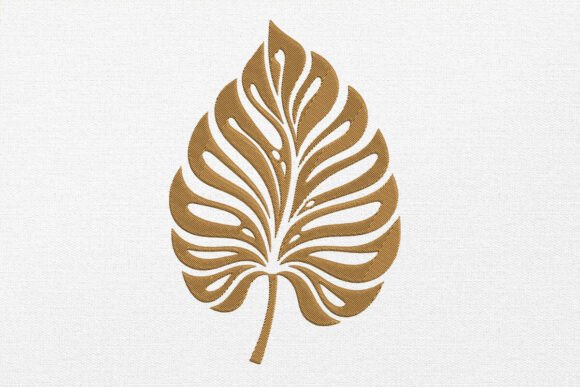
Tropical Leaf Embroidery Design Review
As a designer who has spent years testing machine embroidery designs for both personal craft businesses and client work, I approach every new embroidery file with a critical eye. The market is flooded with generic patterns, so finding a design that truly elevates a handmade product requires careful evaluation. Today, I am putting the Tropical Leaf Embroidery Design through its paces. This piece claims to feature elegant wildflowers in a minimalist style, promising versatility for hoop art and modern DIY projects. But does it hold up when you move from the digital preview to the physical stitching process? Let's dive into how this design performs in real-world scenarios.
First Impressions: Minimalist Elegance Meets Tropical Vibes
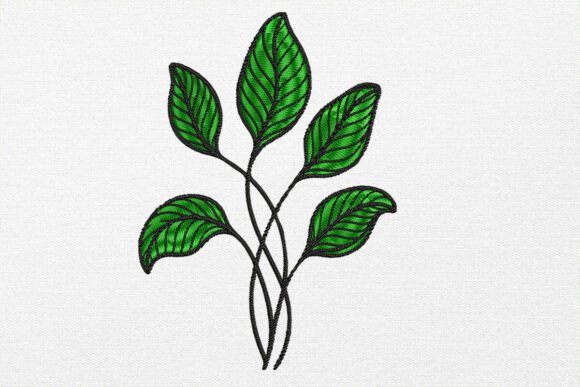
When I first loaded the Tropical Leaf Embroidery Design into my digitizing software, the visual personality was immediately striking. Unlike many tropical themes that rely on heavy saturation and chaotic detail, this design leans into a clean, linear aesthetic. The description mentions "elegant wildflowers," and while the primary focus is foliage, the integration of these floral elements adds a necessary softness to the bold leaf shapes. It feels less like a dense jungle scene and more like a curated botanical illustration.
This minimalist approach is exactly what the current market craves. For an Etsy seller or a boutique owner trying to create a cohesive brand identity, this design offers a sophisticated look without overwhelming the fabric. The layout suggests a balance between negative space and stitch coverage, which is crucial for maintaining clarity on various materials. However, as a reviewer, my immediate concern is always how the stitch density translates from screen to thread. A design that looks airy on a monitor can sometimes result in puckering if the fill stitches are too tight, or it might look flimsy if they are too sparse.
Real-World Application: From Tote Bags to Apparel
To test the practicality of this machine embroidery design, I imagined applying it to a few specific products that are staples in my shop. First, consider a high-quality canvas tote bag. The Tropical Leaf Embroidery Design would likely anchor the center of the bag beautifully. Because the style is somewhat graphic, it would stand out well against natural cotton or linen. The lines of the leaves suggest a mix of satin stitch for definition and perhaps some fill stitch for depth, creating a texture that invites touch.
Next, let's look at custom apparel, specifically a heavyweight sweatshirt. This is where the "minimalist" aspect becomes a major selling point. Heavy fabrics often struggle with large, intricate designs that cause significant fabric distortion. Since this design appears streamlined, it should sit flat on a sweatshirt without pulling the seams. Imagine placing this motif on the chest pocket area of a crewneck; it instantly transforms a basic garment into a trendy, handcrafted item. For baby embroidery, the soft curves of the leaves make it suitable for onesies or bibs, provided the thread colors are chosen carefully to avoid irritation.
I also see potential for this as an embroidered patch. If you stabilize the back properly, the clean edges of the leaves could be cut out to create a detachable accessory for denim jackets or backpacks. This versatility makes it a strong candidate for a small shop product line where one design asset needs to serve multiple revenue streams.
Navigating Challenges: Fabric and Hoop Considerations
While the Tropical Leaf Embroidery Design shows great promise, there are specific situations where caution is required. One area of concern is using this design on thin or stretchy fabrics like jersey knit or silk. Even with a minimalist layout, the weight of the thread can distort delicate fibers. If you attempt this on a fitted t-shirt, you must use a high-quality stabilizer and potentially tear-away options to prevent the fabric from rippling around the leaves.
Another critical factor is the hoop size. Although the design feels compact, you must verify the actual dimensions before committing to a project. If the design is slightly larger than your standard 5x7 hoop, you will need to reposition the fabric mid-stitch, which risks misalignment. Misaligned leaves can ruin the symmetry of the composition. Additionally, if you plan to use this on dark fabrics, the contrast of the thread becomes paramount. A light-colored thread on a black hoodie will pop, but ensure the stitch density is high enough to hide the dark background completely. You do not want the black fabric showing through gaps in the running stitch outlines.
Textured fabrics, such as fleece or boucle, also present a challenge. The raised surface of the fabric can interfere with the needle penetration, leading to skipped stitches or uneven tension. In these cases, a water-soluble stabilizer on top might be necessary to guide the thread smoothly over the bumps.
Strategic Advice for Craft Business Owners
If you are a creative entrepreneur planning to sell items featuring the Tropical Leaf Embroidery Design, here are my professional recommendations to ensure success:
- Test on Scrap Fabric First: Never run a production batch without a test stitch. Use the same fabric and stabilizer you intend to sell to check for puckering and alignment.
- Check Thread Color Contrast: Experiment with different palettes. While green is obvious for leaves, try metallics or pastels to see how they alter the mood of the finished product.
- Review Licensing Terms: Before listing items on Etsy or Amazon Handmade, confirm whether the license allows for commercial use of finished goods. Some designers restrict sales of items made with their files unless purchased under a specific commercial tier.
- Create Printable Mockups: Use the design to generate realistic printable mockup images for your shop listings. Customers need to visualize how the Floral and leaf elements will look on a pillow cover or apron before buying.
- Inspect Small Details: Zoom in on the digital file to check the smallest stems and flower petals. If the details are too tiny, they may get lost during stitching or require a very fine needle that could break easily.
Final Verdict: A Versatile Asset for Modern Makers
The Tropical Leaf Embroidery Design succeeds because it respects the balance between artistic expression and technical feasibility. It avoids the trap of being overly complex, making it accessible for hobbyists while remaining professional enough for commercial embroidery projects. Whether you are creating a personalized gift for a wedding, stocking a holiday collection, or building a brand around eco-friendly fashion, this design offers a solid foundation.
However, remember that the quality of the final output depends heavily on your execution. The right stabilizer, proper tension, and thoughtful color selection are just as important as the design itself. By treating this digital embroidery file with the respect it deserves and testing it thoroughly, you can produce a finished product that stands out in a crowded marketplace. For those looking to add a touch of nature-inspired elegance to their portfolio, this is a worthy addition to your library of design assets.