Reviewing Ottoman Ornament Embroidery for Real Projects
As a designer who has spent years digitizing patterns and stitching out thousands of test runs, I approach every new machine embroidery design with a mix of curiosity and skepticism. We all know the feeling: you see a beautiful preview image, but will it actually stitch out cleanly on a textured tote bag or a stretchy sweatshirt? Recently, I downloaded Ottoman Ornament Embroidery to evaluate its potential for my current client projects and personal craft business inventory. Here is my honest assessment of how this digital asset performs in the real world.
First Impressions and Visual Mood
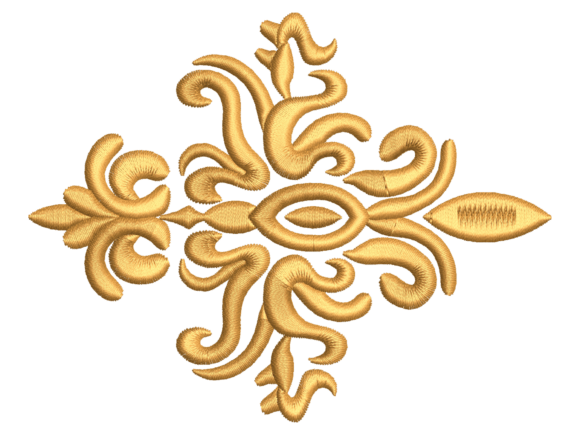
The moment I unzipped the file—delivered conveniently in a standard ZIP format—I was struck by the intricate balance of the layout. Ottoman Ornament Embroidery carries a distinct historical weight, yet it feels surprisingly modern when scaled correctly. The design leans heavily into the Floral category, but it is not your typical garden variety. It possesses a structured, architectural quality that reminds me of tile work and heritage textiles.
For an embroidery project to succeed, it needs a strong visual personality. This design delivers that immediately. It feels regal, detailed, and intentional. When I loaded it into my software to inspect the stitch path, I noticed a thoughtful distribution of satin stitch borders and fill stitch centers. This combination is crucial because it prevents the design from looking too flat or, conversely, too dense and cardboard-like. The mood it creates is one of refined elegance, making it a natural fit for products that aim to convey quality and tradition.
Real-World Application: The Tote Bag Test
To truly understand the value of an embroidery file, you have to imagine it on a physical product. I envisioned using Ottoman Ornament Embroidery for a line of premium canvas tote bags. This is a common request for Etsy sellers and boutique owners who want to elevate their handmade product offerings beyond simple text logos.
In this scenario, the design’s symmetry works in its favor. Centered on a neutral beige or deep navy canvas, the ornament acts as a focal point that draws the eye without overwhelming the fabric. However, because the design features fine details, I would recommend using a high-quality cut-away stabilizer. Canvas has a loose weave, and without proper support, those delicate floral tendrils could sink into the fabric texture, losing their definition. If you are an apparel decorator or run a small shop product line, this design could easily become a signature element for your brand, especially if paired with metallic or contrasting thread colors.
Versatility Across Product Lines
Beyond tote bags, I see significant potential for this design in custom apparel. Imagine it embroidered on the cuff of a linen shirt or as a chest pocket accent on a denim jacket. It also translates well to home decor. A pillow cover featuring this ornament would add a touch of sophistication to a living room, while a set of kitchen towels could serve as an upscale personalized gift for housewarmings or weddings.
For those selling digital embroidery file assets or finished goods, the versatility here is a major selling point. It fits seamlessly into holiday collections, particularly for clients seeking non-traditional, elegant holiday embroidery options. It avoids the cliché of seasonal motifs, allowing it to remain relevant year-round.
Technical Considerations and Stitch Density
While the aesthetic appeal is high, we must discuss the technical execution. Ottoman Ornament Embroidery is detailed, which means stitch density is a critical factor. In my review of the stitch map, I observed areas where the fill stitches are quite tight. This is beautiful for clarity but risky for certain fabrics.
If you plan to use this on thin or stretchy materials, such as jersey knits for baby embroidery or lightweight tees, you must proceed with caution. High-density designs can cause puckering if the stabilizer is not robust enough. I strongly advise testing the design on scrap fabric first. Check how the running stitch underlay interacts with your specific material. If you are stitching on a curved surface like a cap, ensure your hoop size is appropriate and that you use a stiff backing to prevent distortion.
Additionally, pay attention to the smallest details. In complex floral patterns, tiny elements can sometimes get lost if the thread tension is off or if the needle is dull. Before committing to a final finished product, run a test stitch-out. Inspect the corners and the transitions between satin and fill stitches. This step is non-negotiable for maintaining customer trust and professional presentation.
Commercial Viability and Branding
For creative entrepreneurs and craft business owners, the question is always about return on investment. Does this design add perceived value? Absolutely. The intricate nature of Ottoman Ornament Embroidery suggests labor and skill, even though it is machine-stitched. This perception allows you to price your custom apparel or home goods at a premium.
When creating printable mockup images for your online store, this design photographs exceptionally well. The contrast between the thread sheen and the fabric texture creates depth in photos, which drives buyer engagement. Whether you are selling the design assets themselves or the stitched items, the professional look of this ornament enhances brand consistency. It signals to your customers that you care about detail and quality.
Practical Designer Notes
Before you purchase and start stitching, keep these practical tips in mind:
- Check File Compatibility: The product description states files are delivered in ZIP or RAR format. Ensure your machine or software can read the specific formats included inside the archive before buying, as there are no returns or refunds for digital products.
- Test on Dark Fabrics: If you plan to use this on black or navy materials, consider using a lighter underlay or adjusting the pull compensation to ensure the design doesn't disappear into the background.
- Hoop Size Matters: Verify the maximum dimensions of the design against your available hoops. You do not want to be forced to resize the design significantly, as this can distort the aspect ratio and affect stitch quality.
- Licensing Clarity: Always confirm the license terms. While many designers allow commercial use for finished physical items, rules vary regarding the resale of the digital file itself.
- Thread Choice: This design benefits from high-sheen rayon or polyester threads to highlight the satin stitch areas. Matte cotton threads may mute the intricate details.
Final Verdict
Ottoman Ornament Embroidery is a strong contender for designers looking to add a touch of historical elegance to their portfolio. It is not a basic, plug-and-play design for beginners who ignore stabilizer choices, but for experienced makers who understand their machines, it offers excellent creative potential. Whether you are creating a luxury embroidered patch, a bespoke wedding gift, or a signature line for your small business, this design holds up under scrutiny. Just remember to respect the density, choose your fabrics wisely, and always test before you sell.