Reviewing Ottoman Scroll Ornament Embroidery for Real Projects
As a designer who spends more time staring at stitch maps than finished garments, I have learned that not all machine embroidery design files are created equal. Some look stunning on a screen but turn into a tangled mess of thread breaks and puckering on fabric. Others are workhorses—reliable, versatile, and capable of elevating a simple textile into a high-end handmade product. Recently, I downloaded the Ottoman Scroll Ornament Embroidery to test its viability for my current batch of client projects. Here is my honest assessment of how this embroidery file performs in the real world.
First Impressions: Mood and Visual Personality
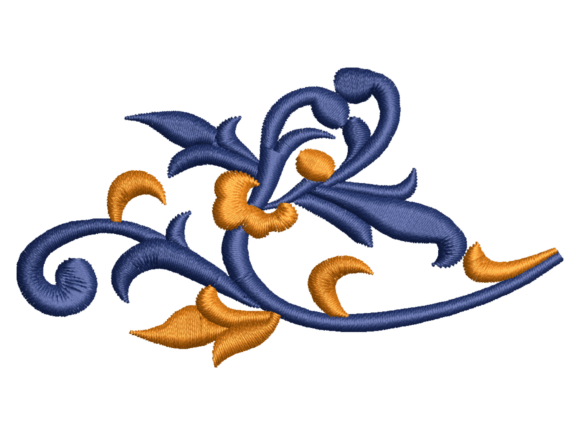
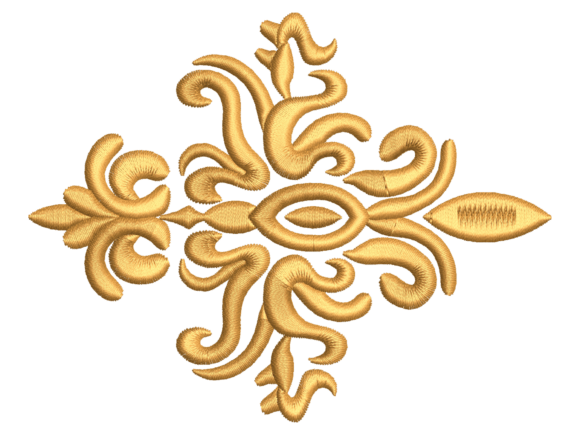
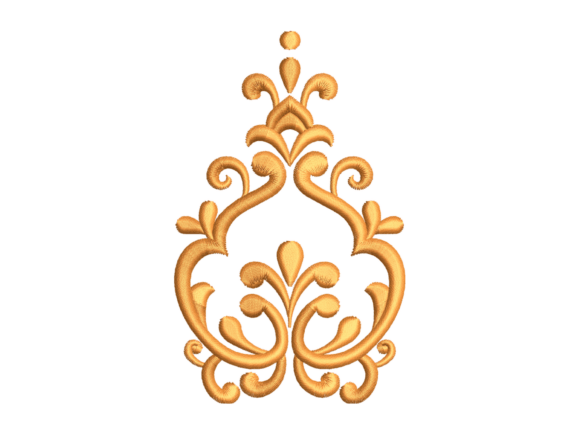
The moment I unzipped the archive, the preview images caught my eye. The Ottoman Scroll Ornament Embroidery carries a distinct historical weight without feeling stuffy or outdated. It evokes the grandeur of classical architecture and vintage bookbinding, yet its clean lines make it feel contemporary enough for modern custom apparel. The layout is balanced, with a rhythmic flow that suggests movement rather than static decoration.
This is not a busy, chaotic pattern. It relies on elegant curves and deliberate negative space. For a designer, this is crucial because it means the design breathes. It does not overwhelm the fabric. When I imagine this stitched out, I see it working beautifully as a borders element or a standalone accent. It feels sophisticated, making it an excellent choice for customers who want something that looks expensive and thoughtful, rather than loud and trendy.
Real-World Application: From Tote Bags to Sweatshirts
To truly understand the value of a digital asset, you must visualize it on a physical object. I started by mocking up the Ottoman Scroll Ornament Embroidery on a heavy canvas tote bag design. The result was impressive. The scrollwork provided a structured frame that drew the eye to the center of the bag, where a monogram or logo could sit comfortably. This makes it ideal for Etsy seller shops focusing on personalized gifts or boutique branding.
I then shifted my focus to apparel. On a crewneck sweatshirt, placed subtly on the cuff or near the hem, the design adds a touch of refined detail to casual wear. This is a growing trend in sweatshirt embroidery, where minimalism meets craftsmanship. However, I would be cautious about placing it on the chest of a fitted tee unless the scale is reduced significantly. The intricate nature of Ottoman-inspired patterns can sometimes compete with the drape of thin knits.
For home decor, this design shines. Imagine it stitched along the edge of a linen pillow cover or as a corner accent on high-quality tea towels. In these contexts, the Ottoman Scroll Ornament Embroidery acts as a subtle signature of quality. It transforms a basic household item into a heirloom-quality piece, perfect for wedding gifts or holiday presents. The visual appeal here directly impacts perceived value, encouraging higher price points for your small shop product listings.
Technical Considerations and Stitching Reality
While the aesthetic is strong, we must discuss the technical execution. Since this is a digital embroidery file delivered in ZIP or RAR format, you will need to inspect the stitch data within your own software before hooping. My primary concern with scrollwork designs is always the balance between satin stitch width and fill stitch density.
If the columns are too wide, they may snag or lack stability. If the fill is too dense, it can cause puckering, especially on lighter fabrics. I recommend checking the stitch density settings in your editor. You may need to adjust the underlay or add additional stabilization when working with stretchy materials like jersey or thin cottons. A cut-away stabilizer is often safer than tear-away for this type of ornate design to ensure the stitches remain crisp after washing.
Another critical factor is thread colors. This design relies on contrast and shadow to define its shapes. Using a single color might flatten the effect, losing the depth that makes the scrolls look three-dimensional. I suggest using two shades of the same color family—for example, a dark navy and a lighter slate blue—to mimic the play of light and shadow inherent in Ottoman art. This technique enhances the finished product and makes the embroidery pop against both light and dark backgrounds.
Where to Use Caution
Not every project is a good fit for this specific style. I would avoid using the Ottoman Scroll Ornament Embroidery on curved surfaces like caps unless you have significant experience with 3D puff or specialized cap frames. The rigid geometry of the scrolls can distort easily on the curved panel of a baseball hat, leading to misalignment.
Additionally, be mindful of hoop size limitations. If you are working with a small 4x4 hoop, you may need to split the design or choose a smaller version if available. Always test on scrap fabric first. Check how the machine handles the direction changes in the scrollwork. If you notice frequent thread breaks, consider slowing down the machine speed or using a higher quality polyester thread that can withstand the tension.
For baby embroidery, ensure that the back of the stitching is soft and free of harsh knots or excessive trimmings. While the design is beautiful, comfort is paramount for infant items. You might need to use a soft backing or carefully trim jump stitches to prevent irritation.
Commercial Viability and Brand Consistency
For those running a craft business, consistency is key. The Ottoman Scroll Ornament Embroidery offers a timeless look that does not date quickly. This is vital for building a brand identity that lasts. Whether you are creating commercial embroidery for corporate clients or unique items for local craft fairs, this design communicates professionalism.
When creating printable mockup assets for your online store, this design photographs well. Its clear lines and elegant curves translate nicely into digital previews, helping potential buyers visualize the final item. This can significantly boost buyer engagement and trust. Remember, since this is a digital product with no returns or refunds, verifying the license terms is essential. Ensure you have the right to use the design assets for commercial sales if you plan to sell the physical embroidered items.
Final Verdict
The Ottoman Scroll Ornament Embroidery is a robust addition to any designer’s library. It bridges the gap between historical elegance and modern application. It requires thoughtful preparation regarding stabilizer choice and thread selection, but the payoff is a sophisticated, high-value finish. Whether you are decorating a tote, personalizing a gift, or upgrading your boutique’s merchandise, this design holds up under scrutiny. Just remember to test, adjust, and stitch with intention.