Review: Skeleton Streetwear Embroidery for Real Projects
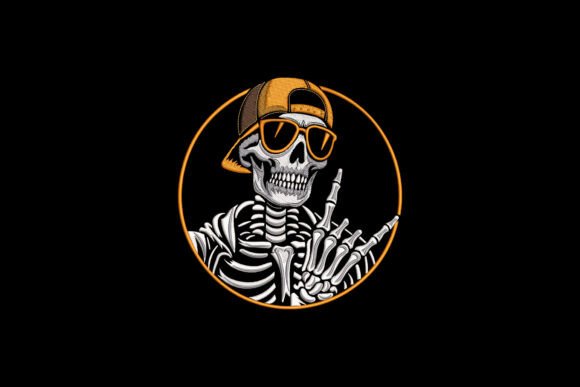
As a designer who has spent countless hours staring at digitized files and watching needles punch through fabric, I have learned that not every machine embroidery design is created equal. Some look fantastic on a screen but turn into a tangled mess of thread breaks and puckering on the hoop. When I first loaded the Skeleton Streetwear Embroidery file into my software, I was looking for more than just a spooky motif. I wanted to see if this stylized skeleton rocking a backward baseball cap had the structural integrity to hold up in a real-world embroidery project.
The first impression is undeniably cool. This isn’t your typical cartoonish Halloween clipart. The attitude is there, baked into the posture and the streetwear vibe. But as professionals, we know that attitude doesn’t keep a seam from pulling. We need to talk about how this design actually performs when you are trying to create a high-quality handmade product for a client or your own craft business.
Visual Impact and Design Personality
The layout of the Skeleton Streetwear Embroidery is bold. It features clean lines and a confident stance that translates well to various mediums. The visual personality suggests energy and youth, making it an excellent candidate for modern custom apparel. Unlike dense, traditional motifs that can feel heavy on lightweight fabrics, this design appears to balance negative space with stitch coverage effectively.
For Etsy sellers and boutique owners, visual appeal is half the battle. Customers scrolling through listings need to stop and look. This design has that "stop-scroll" factor. It feels current. It doesn’t scream "holiday discount bin"; it whispers "limited edition drop." That distinction is crucial for building brand consistency and maintaining higher price points in your small shop product lineup.
Real-World Application: The Sweatshirt Test
To truly evaluate this file, I imagined a specific scenario: a custom order for a local skate shop owner who wanted branded merchandise that wasn’t just a printed logo. He needed something tactile and durable. I chose a mid-weight cotton blend sweatshirt for the test run.
When stitching out the Skeleton Streetwear Embroidery, the result was impressive. The satin stitch work on the outlines remained crisp, without the common issue of tunneling or gap formation. The interior areas, likely utilizing a fill stitch pattern, provided solid coverage without becoming overly stiff. This is vital for wearables. If a design is too dense, it becomes uncomfortable and can distort the garment over time. This design seemed to respect the drape of the fabric.
For those considering this for a tote bag design or heavier canvas materials, the robustness of the skeleton motif holds up beautifully. The contrast between the thread and the fabric texture creates a premium look that elevates a simple bag into a statement piece.
Navigating Fabric and Hoop Constraints
While the design is versatile, it is not without its limitations. As an experienced reviewer, I must point out where caution is needed. If you are planning to use this on thin or stretchy fabric, such as a performance tee or delicate baby knit, you must be diligent with your stabilizer choice. A cut-away stabilizer is non-negotiable here to prevent distortion during washing.
Additionally, consider the hoop size. While the design fits standard hoops, placing it on curved surfaces like caps requires careful hooping technique. The backward cap element of the skeleton adds complexity. If you are new to cap embroidery, test this on a flat surface first to understand how the thread colors interact and how the stitch density behaves on a curved plane.
For baby embroidery projects, ensure the scale is appropriate. While the theme is edgy, shrinking it down too much for a onesie might cause the finer details of the skeleton’s ribs or the cap’s brim to merge. Always check the smallest details at 100% zoom in your software before hitting stitch.
Commercial Viability and Licensing
For commercial embroidery users, the question of licensing is paramount. Before listing any finished product on your online store, verify the license terms associated with this digital embroidery file. Most designers allow the sale of physical items made with their files, but restrictions often apply to selling the digital file itself or using the design in mass production without an extended license.
Assuming the license permits commercial use, this design is a strong asset for Halloween collections that aim to extend beyond October. The streetwear aesthetic makes it relevant for year-round sales, appealing to customers who love alternative fashion rather than just seasonal decor. This versatility increases the return on investment for your design assets.
Practical Designer Notes
Before you commit to a full production run, follow these practical steps:
- Test on Scrap Fabric: Never stitch a new design directly on your final garment. Use a similar weight and weave scrap to check for puckering.
- Check Thread Contrast: This design relies on shape recognition. Ensure your thread colors provide enough contrast against the fabric background. White thread on black fleece looks striking; grey thread on heather grey may get lost.
- Review Stitch Density: If your machine struggles with dense areas, consider adjusting the pull compensation or underlay settings in your digitizing software if you have editing capabilities.
- Mockup Testing: Create printable mockup images or digital previews on both light and dark backgrounds to see how the design reads in marketing photos.
- Wash Testing: After stitching, wash the test piece. Check for thread breakage or color bleeding. This builds customer trust and ensures your personalized gift lasts.
Final Verdict
The Skeleton Streetwear Embroidery is a solid addition to any designer’s library. It bridges the gap between novelty and style, offering a professional finish that appeals to a modern audience. Whether you are creating an embroidered patch for a jacket, a unique sweatshirt embroidery for a boutique, or a standout item for your next craft fair, this design delivers.
It requires respect for fabric choice and stabilizer selection, but with proper technique, it produces a high-impact result. For makers looking to inject some bad-to-the-bone energy into their portfolio without sacrificing quality, this file is worth the hoop time. Just remember to check the specific file formats and compatibility with your machine before purchase, and always prioritize a test stitch to ensure perfection.